

KAMPALA –
The Deputy Speaker of Parliament, Thomas Tayebwa, has called on engineers to uphold professional integrity, reject substandard work, and champion climate-resilient infrastructure as Uganda accelerates national development.
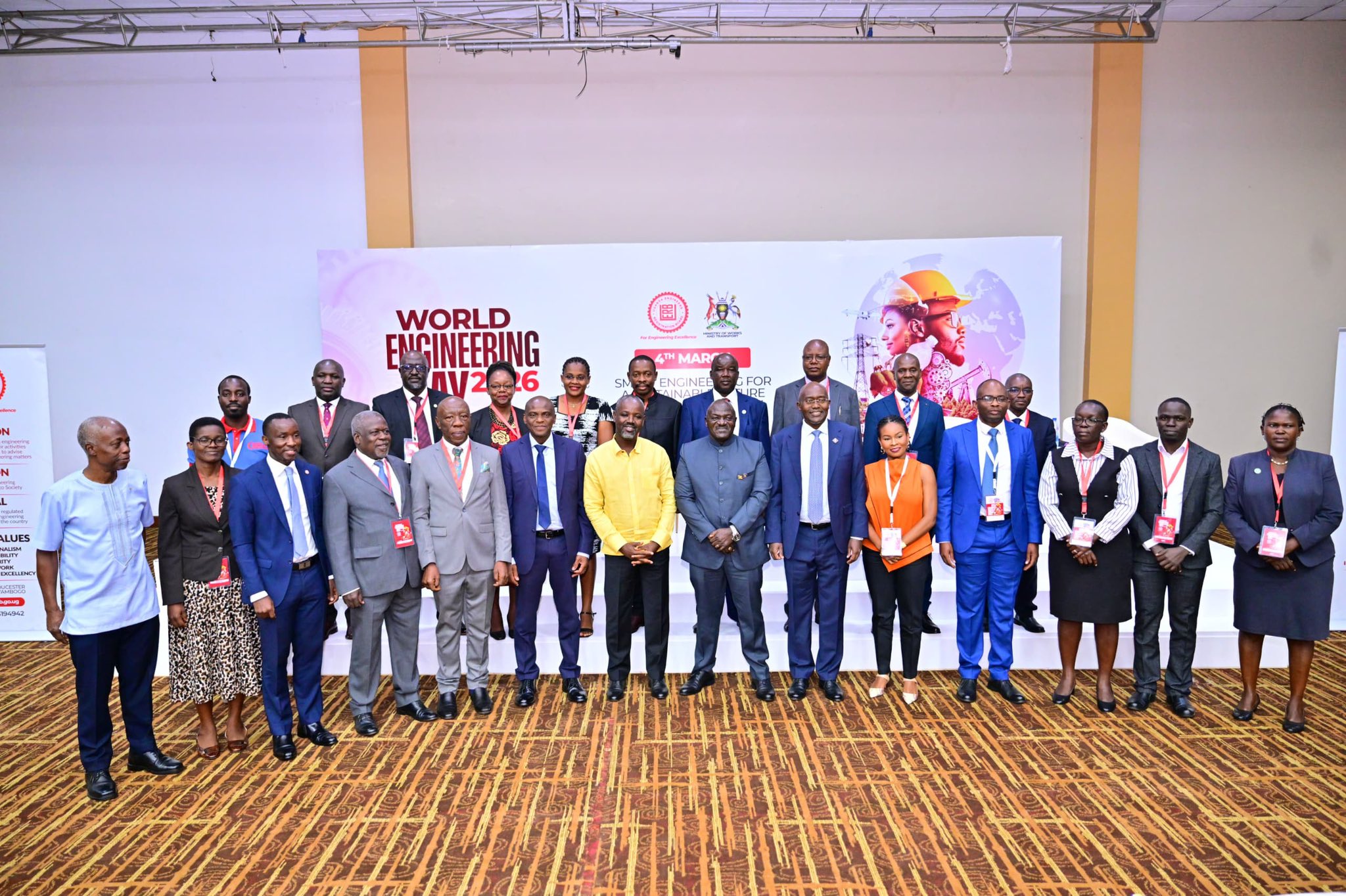
Tayebwa was speaking at the Annual Engineers’ Conference held at Hotel Africana, an event also attended by the Minister of Works and Transport, Gen Katumba Wamala.
The conference doubled as the launch of the Engineers’ Registration Board’s digital licensing system, a move aimed at modernizing regulation and improving efficiency within the profession.
Parliament Backs a Strong, Ethical Engineering Sector
In his address, Tayebwa reaffirmed Parliament’s commitment to supporting the growth of a vibrant, ethical and responsible engineering profession through appropriate legislation and policy reforms.
“Engineers are an indispensable part of our society,” he said, noting that they design, build and maintain both public and private infrastructure that drives economic growth and improves the quality of life of citizens.
The Deputy Speaker urged government institutions to prioritize Ugandan engineers when awarding contracts, arguing that local professionals must not be unfairly locked out of opportunities in their own country.
He criticized restrictive clauses in procurement processes that disadvantage domestic firms and called for deliberate efforts to eliminate barriers that hinder Ugandan engineers from competing effectively.
“Our local professionals are capable,” Tayebwa emphasized. “They deserve a fair chance to contribute to national development.”
Zero Tolerance for Substandard Work
While advocating for more opportunities for local engineers, Tayebwa cautioned against poor workmanship, particularly in government projects at the district level. He warned that some projects have sufferedfrom substandard execution, undermining public trust and wasting taxpayers’ money. “Engineers must resist being compromised by politicians or other actors to approve or execute substandard projects,” he said. “Such actions not only erode public confidence but also tarnish professional reputations.”
AI Should Complement, Not Replace, Judgment.
Addressing the growing influence of artificial intelligence in engineering practice, Tayebwa advised professionals to avoid over-reliance on technology. He acknowledged that AI can enhance efficiency and design accuracy but stressed that it should not replace thorough planning, supervision and accountability. “Engineers must remain actively engaged in the design and implementation of projects to ensure quality standards are upheld,” he said.
Engineering in the Era of Climate Change
Tayebwa also underscored the urgent need for sustainable and climate-resilient infrastructure as Uganda confronts the realities of climate change. He urged engineers to ensure that infrastructure development protects rather than destroys the environment, placing sustainable design and resilience at the core of their work. “As we continue to face the effects of climate change, our engineers have an even greater responsibility to safeguard our communities for generations to come,” he noted.
The conference concluded with renewed commitment from stakeholders to strengthen professionalism, integrity and innovation within Uganda’s engineering sector