

Coffee and gold accounted for more than 74% of Uganda’s export earnings in January, highlighting the country’s heavy reliance on the two commodities even as other exports posted mixed performance, according to the Performance of the Economy Monthly Report – February 2026.
Total merchandise exports rose 72.1% year-on-year to $1.45 billion, up from $844.6 million in January 2025.
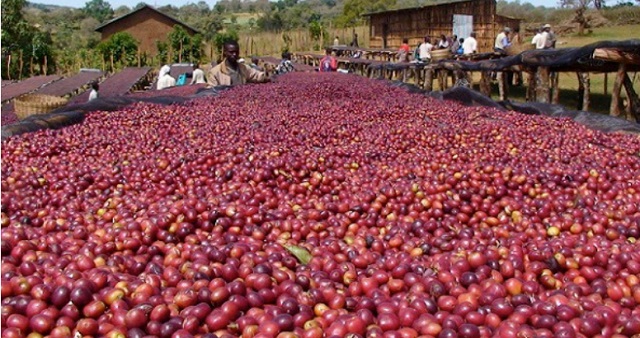
Gold remained the biggest contributor, with export earnings jumping 182.2% to $913.95 million, driven by higher volumes and rising global prices. Coffee earnings rose modestly to $161.0 million from $156.5 million a year earlier, supported by increased export volumes despite a decline in international prices.
Beyond the two key commodities, other exports showed varied trends.
Among non-coffee formal exports, mineral products dominated, while earnings from beans more than tripled year-on-year, rising by over 250% to about $9.2 million.
Flower exports also increased by about 24% to $6.8 million, pointing to some resilience in horticulture.
However, several traditional exports declined.
Tobacco earnings fell by nearly 25% year-on-year to $7.1 million, while fish exports dropped by about 4% and sesame (simsim) exports declined sharply compared to the previous year.
Cotton and tea exports also recorded contractions, reflecting weaker prices and demand in some global markets.
Maize exports, though lower on an annual basis, rebounded strongly month-on-month, while informal cross-border trade (ICBT) exports rose 62.8% year-on-year to $73.9 million, indicating sustained regional demand.
The strong performance of gold and coffee helped Uganda post a merchandise trade surplus of $147.26 million in January, reversing deficits recorded both in December and a year earlier.
Still, the report warned that the concentration of exports in a narrow commodity base poses risks.
While the current commodity boom is boosting foreign exchange inflows, broadening the export base will be critical to insulating the economy from global price volatility and sustaining long-term trade gains.