

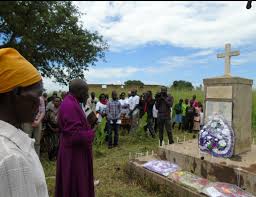
The International Criminal Court (ICC) has reached a significant milestone in the reparations process for victims of former Lord’s Resistance Army commander Dominic Ongwen, with over 19,500 victims registered.
So far, about 500 have been fully assessed for eligibility due to the rigorous need to link individual stories to the specific crimes of the case.
On February 28, 2024, judges issued a reparation order totaling over €52 million (over Shs226 billion. Because Ongwen is indigent, the Trust Fund for Victims (TFV) is mandated to mobilise these resources from the international community.
Interestingly, eligible victims will receive €750 symbolic payment each, while reparations include livelihood support, psychosocial care, and memorial activities.
Challenges ahead
However, the process continues to face several challenges. These include high expectations among victims, as well as allegations of fraud and extortion, with individuals falsely presenting themselves as representatives of the ICC and attempting to monetise a process that is, in fact, entirely free of charge.
Maria Mabinty Kamara, the Public Information and Outreach Coordinator, confirmed that although a significant milestone has been made in the process, there are challenges ahead. For example, resources are limited; some individuals are falsely claiming to represent ICC, seeking to profit while others try to fabricate stories to fit the case scope.
Kamara was speaking with community leaders this week, listening to concerns and expectations of victims in this process.
She also highlighted concerns about some individuals attempting to fabricate or tailor stories to fall within the scope of the case.
Such actions are strongly discouraged, and community leaders were called upon to work with the ICC to safeguard the integrity of the reparations process.
Additionally, challenges in reaching victims who have already been deemed eligible were raised, particularly where primary contact information is no longer valid.
ICC’s response
To address this, alternative mechanisms have been introduced, including requesting that victims provide two to three alternative contacts and tracing beneficiaries through intermediaries who supported them in completing their reparations forms.
That Wednesday, the ICC team provided updates on key judicial developments and the next steps in the case of The Prosecutor v. Joseph Kony.
The ICC’s work in northern Uganda has transitioned into a critical phase of restorative justice. While the legal victory in the Ongwen case has set the stage for massive reparations, the practical challenges of funding and victim identification remain significant.
Meanwhile, the confirmation of charges against Joseph Kony ensures that the legal framework is ready for an expedited trial should the fugitive commander ever be brought into custody.