

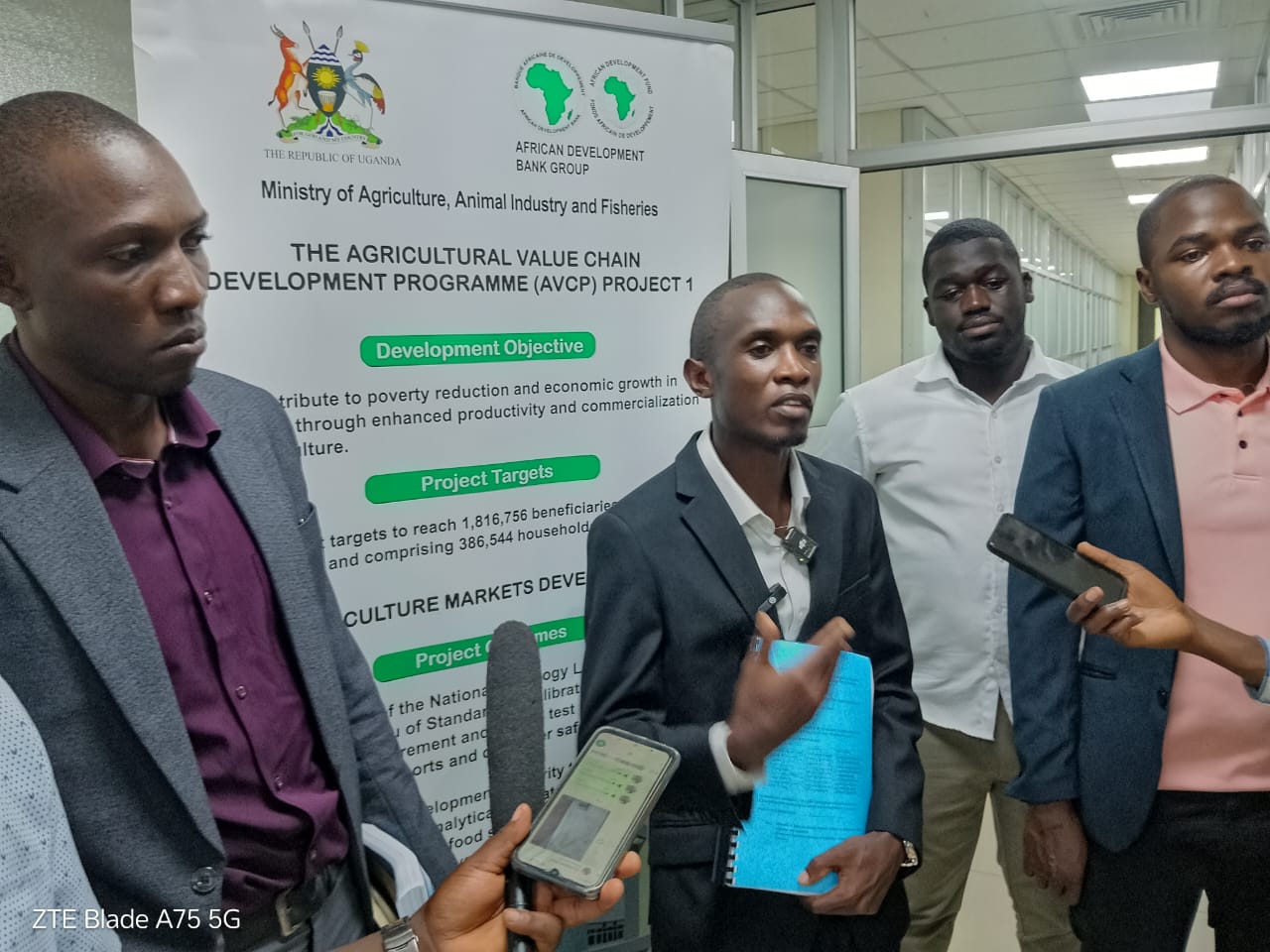
More than 1,200 veterinary professionals and paraprofessionals from over 92 districts across Uganda have petitioned State Minister for Animal Industry Frank Tumwebaze, demanding an immediate review and suspension of the new annual licensing fees introduced by the Uganda Veterinary Council (UVC).
The practitioners argue that the sharp increase—from Shs150,000 to Shs500,000 for veterinary surgeons and from Shs100,000 to Shs340,000 for paraprofessionals—will push many qualified professionals out of practice, make veterinary services unaffordable for smallholder farmers, and threaten key government programmes such as the Parish Development Model (PDM) and Foot-and-Mouth Disease (FMD) control efforts.
Submitted on April 30, 2026, the petition highlights a serious shortage of veterinary personnel in Uganda. The country requires at least 4,529 veterinary professionals and 19,719 paraprofessionals to serve 146 districts and over 2,190 sub-counties.
However, only 372 veterinarians (8.2% coverage) and 998 paraprofessionals (5.1% coverage) are currently registered.
Registered veterinary clinics also remain critically low, with only 11 operating nationwide against a required 2,191.
Joseph Byaruhanga said the petition reflects a nationwide concern. “This is not a small grievance. It is a national outcry. If 1,200 professionals from 92 districts are speaking out, it shows how many others have already been forced out or silenced,” he said.
The veterinarians warn that the fee increase will ultimately affect livestock farmers, who account for nearly 80% of Uganda’s farming population. More than 1.25 million households engaged in livestock production under the PDM depend on affordable veterinary services.
Concerns have also been raised about Uganda’s Foot-and-Mouth Disease control programme, which depends on mass vaccination campaigns. Petitioners warn that a shortage of veterinary personnel in rural areas could undermine disease control efforts.
Asuman Yusuf noted that young professionals will be most affected. “Many young vets will be forced out of practice. This affects not only livestock but also public health and community safety if animal diseases are not properly managed,” he said.
Uganda’s veterinary licensing fees are now reported to be the highest in the region. A comparative analysis shows Uganda’s fee of Shs500,000 (about US$132) represents 11% of GDP per capita, compared to Kenya (US$93), Tanzania (US$89), and Rwanda (US$20.50).
Within Uganda, veterinarians now reportedly pay more than medical doctors, lawyers, and engineers, raising further concern within the profession.
Dankaine Rogers questioned the funding structure of the Council.
The petitioners are demanding eight key actions, including suspension of the new fees, recall of the 2026 register, a stakeholder meeting within 30 days, revision of the fee structure, and refunds for those who have already paid.
They propose revised fees of Shs200,000 for veterinary surgeons and Shs160,000 for paraprofessionals, alongside a one-year grace period for implementation.
As of press time, the Ministry of Agriculture, Animal Industry and Fisheries and the Uganda Veterinary Council had not issued an official response.
The petitioners warn that failure to address the matter urgently could undermine animal health services, threaten livestock productivity, and reverse gains made under national agricultural transformation programmes.